Why Some Corners of the Internet Feel Like Home
The Internet Feels Different When You Stop Feeling Like a Stranger
Most of the internet is designed to be passed through quickly. We scroll a feed, search for an answer, watch a video, read a headline, buy something, and move on. But every so often, we find a corner of the internet that feels different. It might be a tiny forum, a group chat, a personal blog, a Discord server, a subreddit, a newsletter, or a creator’s comment section where the same names keep appearing. After enough time, you begin recognizing people before reading what they’ve written. You understand the recurring jokes, remember previous conversations, know which person will have an opinion about a particular subject, and notice when someone who usually posts has been unusually quiet. Nothing about the technology itself necessarily creates that feeling. What changes is continuity. Instead of encountering an endless stream of interchangeable strangers, you begin encountering the same people repeatedly, and repetition creates familiarity. Familiarity slowly creates trust, shared language, rituals, memories, and eventually a sense of belonging. This is why an ugly twenty-year-old forum can sometimes feel warmer than an exquisitely designed social platform with millions of users. A place begins to feel like home not because it has the best interface, but because when you arrive, you recognize who is already there.
Small Communities Give Us Something Giant Platforms Struggle to Preserve
The early internet was full of relatively small communities built around surprisingly specific interests. People gathered because they loved the same band, played the same game, lived in the same city, struggled with the same problem, collected the same objects, followed the same television show, or simply enjoyed talking to one another. These communities could be chaotic and imperfect, but their smallness gave them something valuable: context. People remembered previous conversations. Reputation accumulated slowly. Someone wasn’t simply a username attached to one viral comment; they were the person who had been participating for three years. Modern social platforms made it possible to connect with vastly larger audiences, but scale changes social behavior. When every post might reach strangers, communication becomes more performative. People explain themselves more carefully, anticipate criticism from audiences they didn’t intend to address, and become increasingly aware that anything they say could travel far beyond its original context. Smaller spaces allow a different kind of communication because not every sentence needs to survive contact with the entire internet. You can be boring. You can continue a conversation from yesterday. You can share something that would never deserve a public post. You can develop jokes that make absolutely no sense to outsiders. These apparently insignificant interactions are often what transform a digital platform into a community.
We Don’t Only Return for the Content; We Return for the People Around It
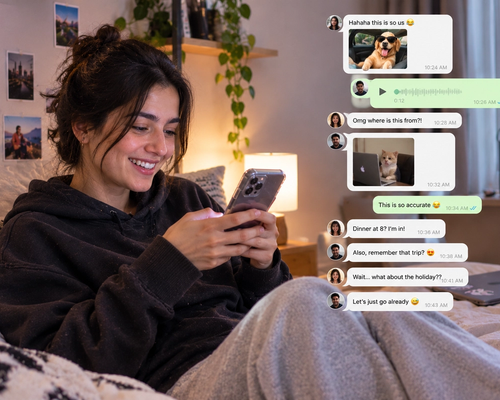
Platforms often assume that content is the primary reason people stay online, but our strongest digital attachments are frequently social. A person may originally join a forum to ask a technical question and remain for years because they like the community. Someone may follow a creator for recipes and eventually care just as much about the conversations happening underneath them. A group chat may technically exist to organize family logistics while spending most of its time exchanging photographs, jokes, complaints, and completely unnecessary updates. These spaces begin accumulating memories in the same way physical places do. You remember the conversation everyone had during a particular event, the joke that became permanent vocabulary, the person who helped when something went wrong, or the stranger whose username eventually became attached to a real friendship. This is also why losing an online community can feel surprisingly emotional. A website closes, a platform changes, a forum slowly becomes inactive, or people migrate somewhere else, and suddenly years of shared context disappear. The URLs may still exist, but the place doesn’t feel the same because the people are gone. Digital spaces remind us that a home isn’t simply a location. It is a collection of repeated interactions that create the expectation that when you return, something familiar will be waiting.
The Best Parts of the Internet Still Feel Human-Sized
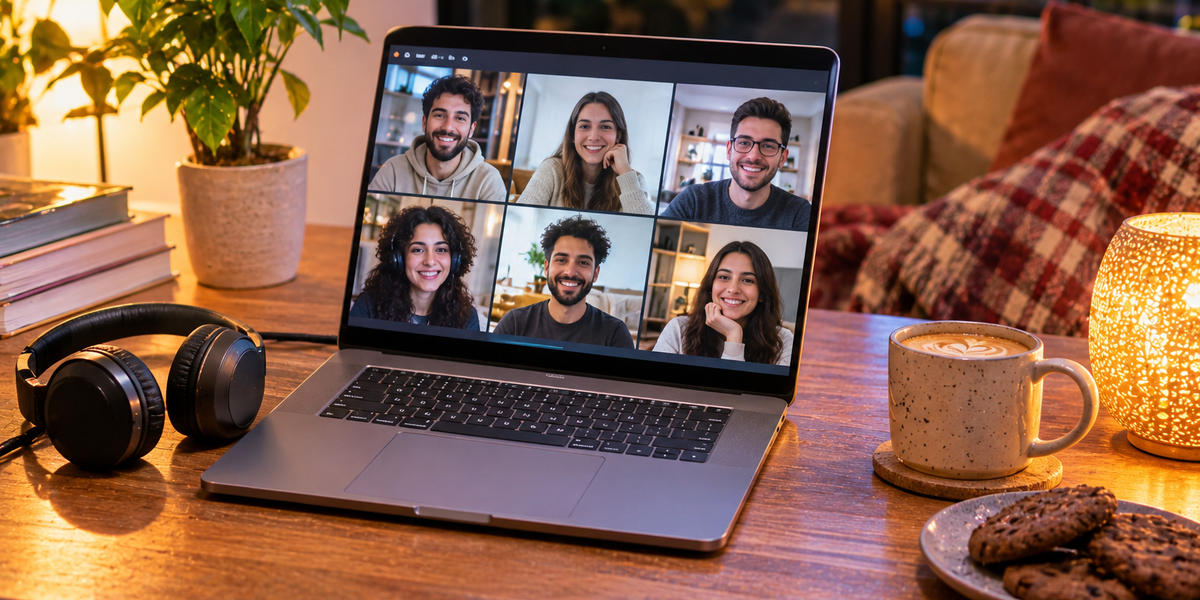
As the internet becomes increasingly optimized around algorithms, recommendations, advertising, viral content, and enormous audiences, smaller online spaces may become more valuable rather than less. People still want discovery and entertainment, but they also want somewhere they don’t feel as though they are permanently standing on a stage. That helps explain the continuing appeal of private group chats, niche communities, newsletters, personal websites, closed groups, and other spaces where the audience is limited enough to develop a recognizable culture. The internet feels most human when participation matters more than performance and when people are allowed to be more than whatever they posted five minutes ago. The future of online connection may therefore involve a strange split: enormous public platforms for discovering what is happening and smaller private or semi-private spaces for actually belonging somewhere. We may use the feed to find information, entertainment, people, and ideas, but then carry the things we care about into quieter places where conversation can continue. Those places don’t need millions of members to matter. Sometimes fifty familiar usernames can create more genuine community than fifty million strangers. The internet is unimaginably large, but the corners we remember most fondly are often the ones that somehow made it feel small. They gave us somewhere to return to, people who noticed when we arrived, and the digital equivalent of walking into a familiar room and knowing where to sit.